



"MOSES' CALLING" (I WILL BE WITH YOU)
Exodus 3:1–15; Psalm 105:1–6, 23–26, 45b 08/30/2026
When we look back at Moses’ life, we can see God’s providence: As a baby, Moses was placed in a basket on the Nile, but God preserved him. Moses was raised in Pharaoh’s household, yet God preserved Moses’ Hebrew identity. Moses knew privilege and power. But after Moses killed an Egyptian who was beating a Hebrew, Moses fled from Egypt.
When Moses was forty years old and he became a shepherd in Midian. For the next forty years, Moses lived a quiet and ordinary life. Moses probably did not understand what God was doing during those years. But God was working.
And sometimes that is our story, too. We may look back at our lives and see experiences that seemed meaningless, painful, or disappointing. We may wonder why certain things happened or why God allowed certain seasons of our lives. But sometimes, only later, do we recognize: God was preparing us. God can use our experiences, our failures, our disappointments, our gifts, and even our ordinary days to shape us for God’s purposes. Our story is not wasted when we place our story in God’s hands. God Is Still Writing Our Story
By the time God called Moses, Moses was eighty years old. Moses was no longer a prince in Egypt. Moses was a shepherd in Midian. Perhaps Moses thought: “My important days are behind me.” “This is my life now.” “I am too old to begin something new.” But Moses was wrong. Moses’ story was not over. God was still writing Moses’ story.
And that is an important message for us today. Sometimes we think our most important years are behind us. Sometimes we think because we are older, tired, retired, discouraged, or have made mistakes, God cannot use us anymore. But Moses reminds us that God’s calling does not have an expiration date. Being eighty years old did not cancel Moses’ calling. Your age does not cancel God’s purpose. God can work through us in every season of life.
The Burning Bush: One day, Moses was tending the sheep of Moses’ father-in-law near Mount Horeb. Suddenly, Moses saw something unusual. A bush was burning, but the bush was not being consumed. Moses said, “I must turn aside and look at this great sight.”That decision—to turn aside and pay attention—changed Moses’ life. And there, in an ordinary wilderness, Moses encountered God.
Perhaps there is a lesson here for us. Our lives can become so busy that we forget to stop and listen. Sometimes God is speaking, but we are too busy to notice. Sometimes God meets us in the ordinary places of life.
Holy Ground: When Moses approached the burning bush, God said, “Do not come closer! Remove the sandals from your feet, for the place on which you are standing is holy ground.” Why was it holy? Because God was there. The ground itself was not special. God’s presence made the ground holy.
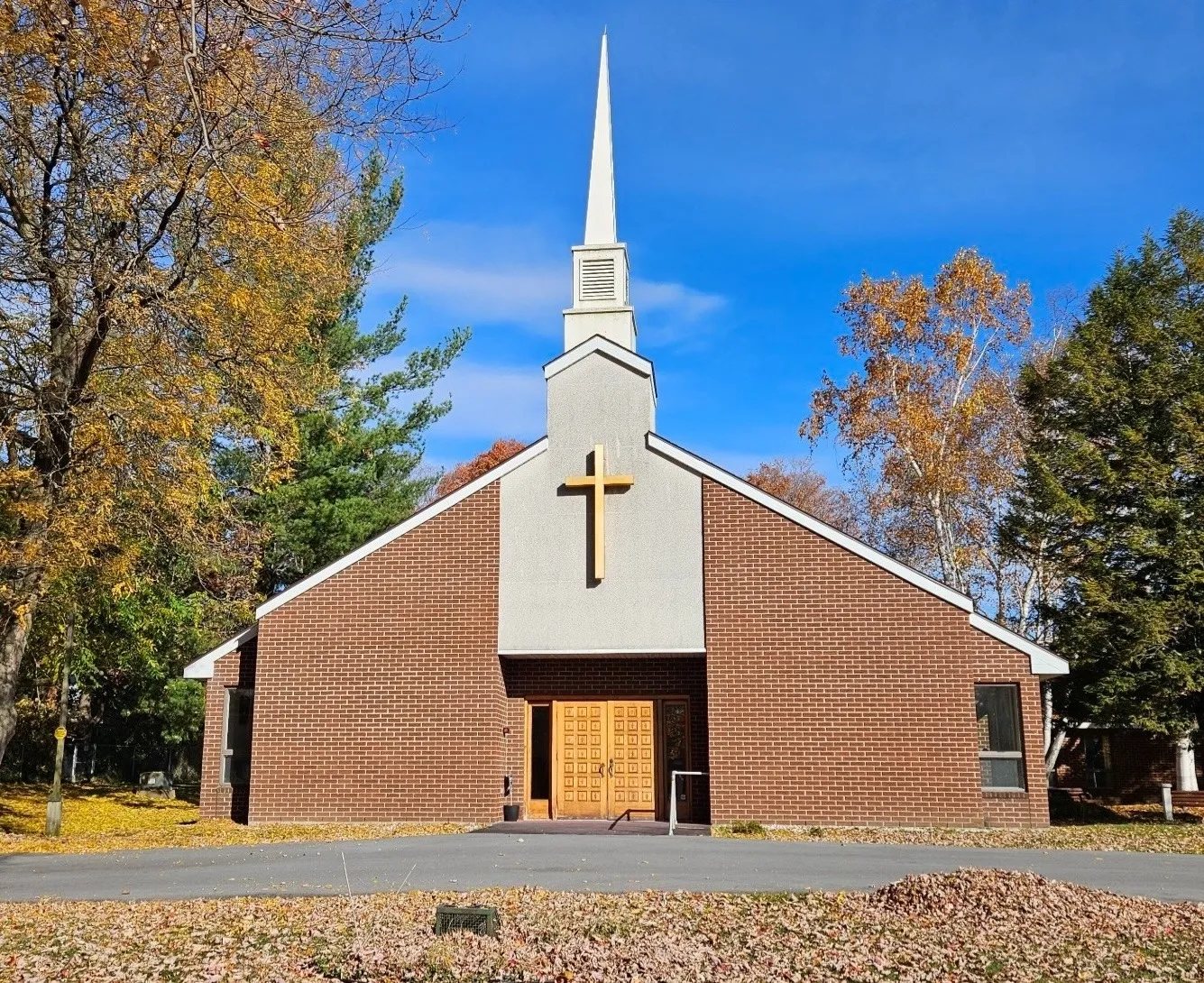
When we become aware of God’s presence, ordinary moments can become holy moments. For me, the church is the holiest place in the world because this is where we gather together to worship God, hear God’s Word, pray, sing, and receive God’s grace. But God is not limited to this building. Where God is present, there is holy ground.
Then God tells Moses about the suffering of the Israelites in Egypt: “I have observed the misery of my people who are in Egypt; I have heard their cry… Indeed, I know their sufferings.” What beautiful words these are. For generations, the Israelites had cried out under slavery. Perhaps they wondered: “Does God see us?” “Does God hear us?” “Has God forgotten us?” But God says: “I have observed.” “I have heard.” “I know.” And then God says: “I have come down to deliver them.”
And this connects beautifully with Psalm 105: Psalm 105 calls God’s people to remember the wonderful things God has done. The psalm tells the people to remember God’s covenant with Abraham, Isaac, and Jacob. Even when Israel went down into Egypt, God continued to remember the covenant and guide the people. God eventually raised up Moses and sent Moses to participate in God’s work of deliverance.
Remember what God has done. When we remember God’s faithfulness in the past, we can trust God with the future. Sometimes we cannot see what God is doing today. But we can remember what God has already done.
Then God says something astonishing to Moses: “So come, I will send you to Pharaoh to bring my people, the Israelites, out of Egypt.” Imagine Moses hearing that. “You want me to go back to Egypt?” Moses had run away from Egypt. Moses had failed. Moses was afraid. And now God says: “I will send you.” Moses responds: “Who am I that I should go to Pharaoh?” “Who am I?”
Perhaps we have asked that question, too. Who am I to lead? Who am I to serve? I am too old. I am not strong enough. I don't have enough ability. I have made too many mistakes. There are other people who are more qualified than I am. Lord, send someone else.
But listen carefully to God’s answer. God simply says: “I will be with you.” That is the heart of Moses’ calling. God’s presence is greater than our weakness. The question is not only, “Who am I?” The greater question is, “Who is with me?” And the answer is: God is with us.
Moses then asks, “If they ask me your name, what shall I say?” God answers: “I AM WHO I AM.” The God of Abraham, Isaac, and Jacob is the God who remains faithful. God is not forgetting the people. God is faithful. And that is why Psalm 105 tells us to remember. The Israelites needed deliverance. God heard their cries. God had a purpose. And God chose Moses to participate in that purpose.
Sometimes the most important thing we can say is simply: “Lord, here I am.” Moses did not know everything that would happen next. Moses did not know how Pharaoh would respond. Moses did not know how difficult the journey would become. Moses did not know what the future would hold. But Moses heard God’s call. And Moses began with a simple response: “Lord, Here I am.”
The church does not exist simply for ourselves. The church exists for God’s mission. Perhaps that is what God asks from us today. We may not know what the future holds for us and our church. “Lord, here I am. Use me for your church and your kingdom. Send me.” May it be so for you and for me. Amen.
